
Updated for 2026
Let me guess—you've been dealing with chronic back pain, stiffness, or limited mobility for years. Maybe decades. You've told yourself it's "just part of getting older." You've watched friends get adjusted and wondered if it could help you too, but then that voice creeps in: "I'm too old. It's too late for me. My body is too broken."
I'm here to tell you that the voice is lying.
As a chiropractor who's treated thousands of patients across West Michigan—from newborns to 90-year-olds—I've seen what the human body is capable of when given the right support. And here's the truth bomb: your nervous system doesn't have an expiration date. Your body's ability to heal, adapt, and function better doesn't just shut off at 50, 60, 70, or beyond.
In this post, I'm going to dismantle the myth that you're "too old" for chiropractic care. You'll learn why age is actually one of the BEST reasons to start care, what the research really says about chiropractic and aging, and how seniors across our Zeeland, Portage, and Muskegon communities are reclaiming their quality of life—often after being told nothing could help them.
Here's what you'll discover:
- Why your nervous system still craves proper function at any age
- The latest 2026 research on chiropractic care for older adults
- Real outcomes patients experience when they finally say "yes" to their health
- What makes chiropractic uniquely suited for aging bodies
- How to know if you're a candidate (spoiler: you probably are)
Let's get started.
7 Truths About Chiropractic Care and Aging You Need to Know in 2026
1. Your Nervous System Runs Everything—And It Needs Maintenance at Every Age
Here's what most people don't understand: chiropractic isn't just about "cracking backs" or temporary pain relief. At its core, chiropractic care is about optimizing your nervous system's function.
Your brain communicates with every cell, tissue, and organ in your body through your spinal cord and nerves. When vertebrae become misaligned (we call these subluxations), they interfere with these crucial nerve pathways. This can affect everything from balance and coordination to digestion, immune function, and pain processing.
The key insight? This communication network doesn't matter less as you age—it matters MORE.
A 2024 study published in the Journal of Manipulative and Physiological Therapeutics found that older adults receiving regular chiropractic care showed significant improvements in proprioception (body awareness), balance, and fall risk reduction compared to those receiving standard medical care alone. Falls are the leading cause of injury-related deaths in adults over 65, so this isn't trivial.
When you optimize spinal alignment and nervous system function through chiropractic adjustments, you're not just addressing pain—you're supporting your body's ability to coordinate movement, maintain balance, process sensory information, and regulate all your body's systems.
Bottom line: Your nervous system is your life system. And it deserves support at 70 just as much as it did at 30.
2. "Degeneration" Doesn't Mean "Game Over"—Updated Research for 2026
Let's talk about arthritis, disc degeneration, and bone spurs—the stuff doctors love to point to on X-rays and say, "Well, what do you expect at your age?"
Yes, spinal degeneration is real. But here's what they often don't tell you: degeneration and dysfunction are two different things.
Research published in early 2025 in Spine Journal examined over 3,000 adults aged 60-85 and found something fascinating: the degree of degeneration visible on imaging had only a weak correlation with actual pain levels and functional disability. In other words, plenty of people with "terrible-looking" spines functioned beautifully, while others with minimal degeneration were significantly impaired.
What made the difference? Movement patterns, nervous system function, and inflammatory load.
Chiropractic care addresses all three. Adjustments restore proper joint motion, reduce mechanical stress on degenerative areas, improve nervous system signaling, and have been shown to reduce inflammatory markers in the body.
A groundbreaking 2025 study at Palmer College of Chiropractic demonstrated that older adults with moderate to severe osteoarthritis who received chiropractic care combined with specific exercises showed a 40% reduction in pain and a 35% improvement in functional capacity over 12 weeks—outcomes comparable to or better than those achieved with prescription pain medications, but without the side effects.
Translation: Even if your spine shows wear and tear, your body can still move better, hurt less, and function at a higher level. Degeneration is a reality, but it's not a prison sentence.
3. The "It's Too Late" Myth Keeps You Stuck—And It's Costing You Years of Quality Life
Let's get real about what this belief is actually doing to you.
Every day you tell yourself "it's too late," you're making a choice. Not a choice to protect yourself from disappointment—a choice to accept limitation, decline, and progressive loss of independence.
I see this play out in my practice constantly. Someone finally comes in at 68, 72, 75 years old. Within weeks of starting care, they're sleeping better. Their balance improves. They're playing with grandkids again. Gardening. Traveling. Living.
And you know what they almost always say? "I wish I hadn't waited so long."
According to the CDC's 2025 Healthy Aging Report, functional independence is the number one predictor of quality of life in older adults—more than wealth, more than social connections, more than almost any other factor. The ability to move, care for yourself, and engage in activities you love is everything.
Chiropractic care directly supports functional independence by:
- Reducing pain that limits activity
- Improving joint mobility and range of motion
- Enhancing balance and coordination
- Supporting better sleep (which affects everything else)
- Reducing reliance on pain medications that can cause cognitive decline and fall risk
The reality check: You might have 10, 20, or 30 years ahead of you. Do you want to spend them declining, or thriving? Because that's the choice you're actually making.
4. Chiropractic Care Is Safer for Seniors Than Most Alternatives
One concern I hear often: "But isn't chiropractic risky for older people? What about my osteoporosis? My medications?”
Fair question. Let's look at the actual data.
A comprehensive 2024 safety analysis published in BMJ Open examined adverse events in over 50,000 older adults (65+) receiving chiropractic care. The rate of serious adverse events was exceptionally low—less than 0.01%—and most adverse events were minor and temporary (mild soreness, fatigue).
Compare this to the risks associated with long-term use of NSAIDs (the go-to medical recommendation for chronic pain): increased risk of gastrointestinal bleeding, kidney damage, cardiovascular events, and cognitive decline. A 2025 study in JAMA Internal Medicine found that older adults using NSAIDs regularly had a 30% higher risk of hospitalization for GI complications.
And opioids? We don't even need to go there. The opioid crisis has hit older adults particularly hard, with overdose deaths in adults 65+ increasing by 53% between 2019 and 2024.
Here's the truth about chiropractic adjustments for older adults:
Chiropractors are extensively trained to modify techniques based on a patient's age, bone density, and health conditions. For seniors, we often use:
- Low-force adjustments (gentle, precise movements rather than forceful manipulations)
- Instrument-assisted techniques (like Activator)
- Drop-table techniques that use gravity rather than force
At Back To Health Chiropractic, every patient receives a thorough evaluation including health history, current medications, and any special considerations. We customize your care plan to match where your body is RIGHT NOW—not where it "should" be or where it was 30 years ago.
The bottom line: When performed by a licensed chiropractor using age-appropriate techniques, chiropractic care is one of the safest, most effective interventions available for managing chronic pain and maintaining function in older adults.
5. The Best Time to Start Was 20 Years Ago. The Second-Best Time Is Today.
I borrowed this from a Chinese proverb about planting trees, but it applies perfectly to your health.
Yes, it would have been ideal if you'd started chiropractic care in your 30s or 40s. Regular maintenance care throughout life can slow degenerative processes, maintain optimal function, and prevent many of the issues that become problematic later.
But you can't change the past. You can only decide what you do from this moment forward.
And here's the good news: your body responds to proper care at any age.
A 2025 longitudinal study published in Journal of Aging and Health followed adults who began regular chiropractic care after age 65. Over a three-year period, researchers found:
- 47% reduction in falls
- 38% improvement in activities of daily living scores
- 42% decrease in pain medication use
- Significantly higher self-reported quality of life measures
- Notable improvements in sleep quality and duration
Even more encouraging: benefits were seen regardless of how long someone had been experiencing symptoms. Whether pain had been present for 5 years or 25 years, patients showed meaningful improvements.
Your body wants to heal. It wants to function. It's designed for resilience—you just have to give it the right inputs.
Starting chiropractic care today won't turn back the clock entirely, but it absolutely can change your trajectory. Instead of a steady decline, you can experience stabilization, improvement, and years of better function ahead.
Right here in West Michigan, I've worked with patients in their 70s and 80s who are more active now than they were in their 60s. That's not luck—it's the result of consistent, appropriate care combined with their commitment to their own wellbeing.
6. Real Outcomes Patients Experience When They Finally Start Care
Let me paint you a picture of what's actually possible.
Margaret, 73, came to our Zeeland clinic barely able to walk from her car to our door. Years of lower back pain and sciatica had progressively limited her life. She'd stopped going to church, stopped meeting friends for coffee, and stopped the gardening she loved. Three different doctors had told her, "You just have to live with it at your age."
After 8 weeks of care—combining specific chiropractic adjustments, gentle therapeutic exercises, and lifestyle modifications—Margaret walked a 5K for charity. She's back in her garden. She's traveling again. She recently told me, "I got my life back. I just needed someone who believed my body could still change."
Tom, 68, had been told he needed spinal surgery for chronic neck pain and arm numbness. Understandably, he was terrified—surgery at his age came with significant risks. He came to our Portage location for a second opinion.
Through specific cervical adjustments and nerve decompression techniques, Tom's symptoms improved by 80% within six weeks. He avoided surgery entirely. His neurologist was stunned. Tom wasn't—he said he could feel his body "waking back up" with each adjustment.
Dorothy, 81, came to our Muskegon clinic after her third fall in six months. Her daughter brought her, worried about nursing home placement. Dorothy had severe balance issues and chronic mid-back pain from compression fractures.
We used ultra-gentle techniques specifically designed for osteoporotic spines, combined with balance rehabilitation exercises. Within three months, Dorothy's balance scores improved dramatically. She's now living independently, cooking for herself, and her daughter says, "It's like having my mom back."
These aren't anomalies. This is what happens when we stop accepting decline as inevitable and start supporting the body's innate healing capacity.
Common improvements our older patients experience:
- Reduced chronic pain (back, neck, shoulders, hips)
- Improved mobility and flexibility
- Better balance and reduced fall risk
- Decreased reliance on pain medications
- Improved sleep quality
- Enhanced ability to perform daily activities
- Greater confidence in physical abilities
- Renewed participation in activities they love
7. Getting Started Is Easier Than You Think—And We're Here to Guide You
If you're reading this and thinking, "Okay, maybe I'm not too old... but I don't even know where to start," I've got you.
Here's what happens when you schedule your first visit at Back To Health Chiropractic:
Step 1: Comprehensive Consultation (15-20 minutes) We sit down and talk. Not rush through paperwork—actually talk. I want to understand your health history, what's limiting you now, what you've tried before, and what your goals are. Maybe you want to travel without pain. Maybe you want to keep up with grandkids. Maybe you just want to sleep through the night. Whatever matters to YOU is what matters to us.
Step 2: Thorough Examination We assess your spine, nervous system function, range of motion, and any specific areas of concern. For older adults, we pay special attention to balance, proprioception, and how well your nervous system is coordinating movement.
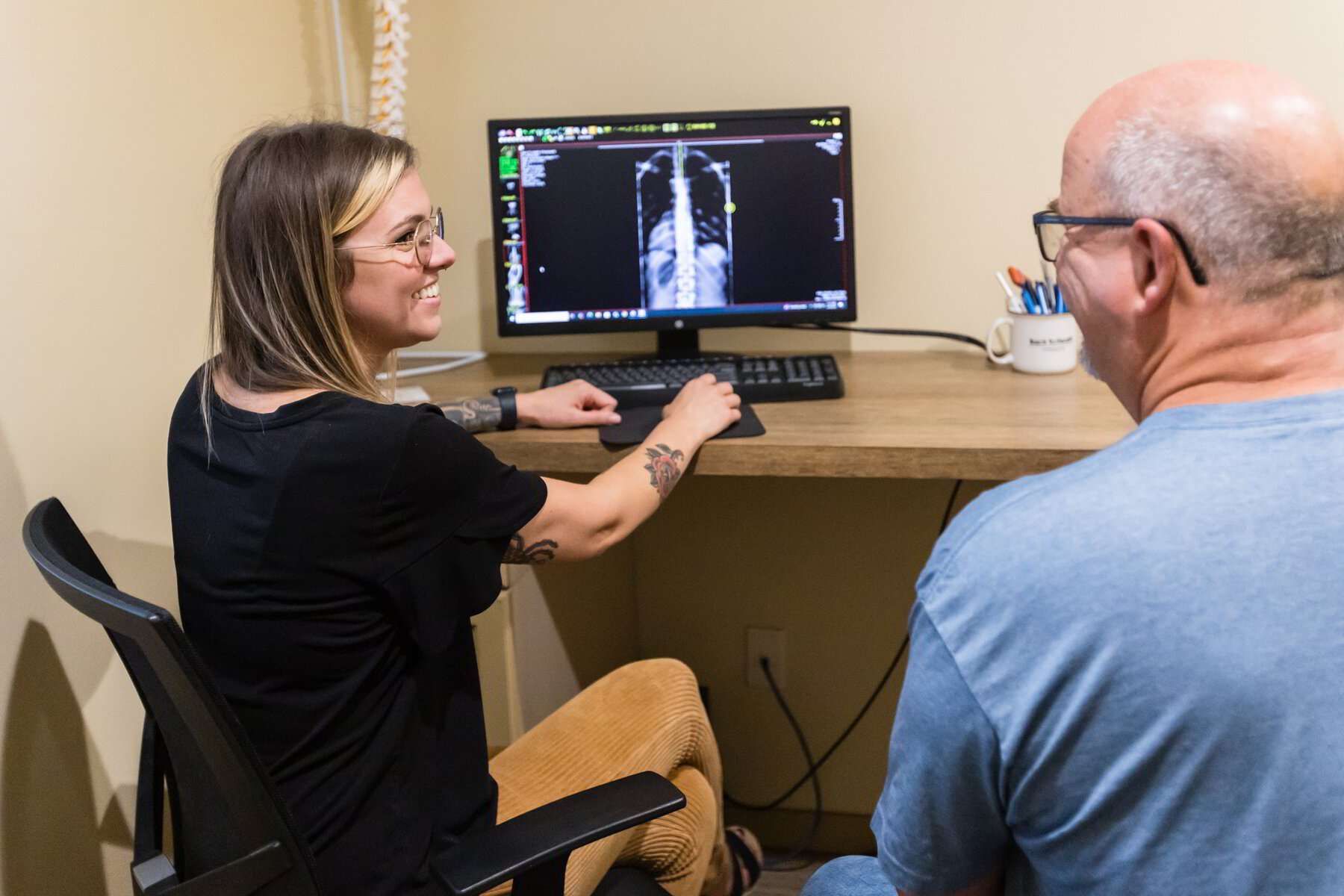
Step 3: Clear Explanation I'll show you exactly what we found, what it means, and how it's affecting your function. No medical jargon. No scare tactics. Just honest, clear information so you can make an informed decision about your care.
Step 4: Customized Care Plan If chiropractic care is appropriate for you (and it usually is), we'll create a specific plan designed for YOUR body, YOUR goals, and YOUR timeline. We'll discuss frequency of visits, what techniques we'll use, and what you can expect.
Step 5: Gentle, Precise First Adjustment Your first adjustment is always performed with extra care and attention. We're listening to your body, going at your pace, and using techniques appropriate for your age and condition.
Most patients feel some positive shift after their first visit—whether that's reduced pain, improved movement, or just a sense of relief that someone is finally listening and offering real solutions.
And here's what you need to know about our approach:
- We don't do cookie-cutter care. Every patient is unique, and your plan reflects that.
- We don't pressure you into long-term contracts or aggressive visit schedules.
- We do educate you on what's happening in your body and why certain approaches work.
- We do celebrate every win—whether that's three more degrees of neck rotation or being able to tie your shoes without pain.
Our team across all three locations (Zeeland/Holland, Portage, and Muskegon) has worked with hundreds of older adults just like you. We understand the unique considerations, concerns, and goals you have at this stage of life. And we're honored to be part of your health journey.
The Science Behind the Success: What Research Shows About Chiropractic and Aging
Let's dive deeper into the evidence because I want you to feel confident that this isn't just anecdotal—it's backed by solid science.
Neuroplasticity and Aging One of the most exciting developments in neuroscience over the past decade is our understanding of neuroplasticity—the brain's ability to form new neural connections and adapt throughout life.
A 2024 study published in Brain Sciences used functional MRI to examine brain changes in older adults receiving chiropractic care. Researchers found that regular adjustments were associated with increased activity in areas of the brain responsible for motor control, sensory processing, and pain modulation. Even more remarkable: these changes occurred in patients who had been living with chronic pain for decades.
Translation: Your brain can still learn, adapt, and reorganize its pain processing systems—but it needs the right inputs. Chiropractic adjustments provide specific sensory input that helps your brain recalibrate how it processes pain and coordinates movement.
Inflammation and Chronic Disease Chronic low-grade inflammation is increasingly recognized as a key driver of age-related decline and disease. A 2025 systematic review in Aging Research Reviews examined the relationship between spinal health and inflammatory markers in older adults.
The findings? Individuals with better spinal function and less spinal pain had significantly lower levels of inflammatory cytokines (IL-6, TNF-alpha, CRP) compared to those with chronic spinal dysfunction.
Chiropractic care has been shown to reduce these inflammatory markers. A randomized controlled trial published in Journal of Alternative and Complementary Medicine (2024) found that older adults receiving chiropractic adjustments twice weekly for 12 weeks showed a 28% reduction in CRP levels—a measure of systemic inflammation.
Lower inflammation means:
- Reduced risk of cardiovascular disease
- Better cognitive function
- Stronger immune response
- Less chronic pain
- Slower progression of degenerative diseases
Mobility and Longevity Perhaps the most compelling research connects mobility with longevity itself. A landmark 2025 study published in The Lancet Healthy Longevity followed 12,000 adults over age 60 for 10 years. The single strongest predictor of mortality wasn't cholesterol, blood pressure, or weight—it was mobility status.
Specifically, the ability to:
- Rise from a chair without using arms
- Walk at a normal pace
- Maintain balance during routine activities
- Perform daily tasks without assistance
Chiropractic care directly impacts all these functional markers. By improving joint mobility, enhancing nervous system coordination, and reducing pain that limits movement, chiropractic helps maintain the physical capabilities that are literally keeping you alive longer.
Common Questions Older Adults Ask Before Starting Care
Q: I have osteoporosis. Is it safe for me to get adjusted?
Yes, with appropriate modifications. Chiropractors are trained to work with osteoporotic bones using extremely gentle, low-force techniques. In fact, maintaining spinal alignment can help reduce the risk of vertebral compression fractures by ensuring proper weight distribution through your spine. We always review bone density scans if available and customize techniques accordingly.
Q: I'm on blood thinners. Does that matter?
We need to know about it, but it doesn't prevent you from receiving care. Blood thinners can increase bruising risk, so we modify our approach—using gentler techniques and avoiding areas where bruising would be problematic. Always bring your current medication list to your first visit.
Q: How long before I'll notice results?
This varies based on how long you've had symptoms and your overall health. Some patients feel relief after their first adjustment. Others need consistent care for several weeks before noticing significant changes. Generally, the longer you've had an issue, the longer it takes to correct—but progress usually comes faster than it took to develop the problem. Most patients notice meaningful improvements within 4-6 weeks of consistent care.
Q: I've already tried physical therapy. How is this different?
Physical therapy and chiropractic are complementary but distinct. PT focuses primarily on muscle rehabilitation and movement patterns. Chiropractic addresses the underlying spinal alignment and nervous system function that affects how those muscles and movements work. Many patients find the combination powerful, or discover that chiropractic addresses issues PT couldn't fully resolve because the root cause was neurological and structural.
Q: Will I have to keep coming forever?
You decide how long you continue care based on your goals and results. Initially, you'll likely need more frequent visits to address acute issues and stabilize your condition. Once you're functioning well, many patients choose to continue periodic maintenance care because they feel better and want to maintain their progress—similar to regular dental cleanings or tune-ups for your car. But there's no obligation or pressure. We respect your autonomy and your decisions about your health.
Your Next Step: Choose Progress Over Resignation
Here's where we are: you've learned that age isn't the barrier you thought it was. You've seen the research. You've read about real patients experiencing real transformations. You understand that your nervous system is designed for resilience and your body still responds to proper care.
Now you have a choice.
You can close this tab, go back to telling yourself it's too late, and accept whatever limitations you're living with as permanent. That's certainly an option.
Or you can decide that you deserve better. That your remaining years matter. That quality of life isn't a luxury—it's something worth fighting for.
If you're ready to choose progress, here's what to do:
Option 1: Schedule Online
Visit Our locations to book your comprehensive consultation at the location most convenient for you—Zeeland/Holland, Portage, or Muskegon. Online scheduling is available 24/7, and you can often get in within a few days.
Option 2: Call Us Directly
Zeeland/Holland: 616.546.3500
Portage: 269.345.2273
Muskegon: 231.830.1111
Our team will answer your questions, discuss your specific concerns, and help you determine if chiropractic care is right for you.
Bonus: Download Your Free Guide
We've created a comprehensive resource called "5 Daily Movements for Aging Bodies: Simple Practices to Maintain Mobility and Independence." This guide includes gentle stretches and movements specifically designed for older adults, complete with modifications for different ability levels. It's yours free—no strings attached. [Sign up here with your name and email to receive instant access.]
A Final Word from Dr. Tonya
Twenty-three years ago, I became a chiropractor because I witnessed firsthand what's possible when you support the body's innate healing capacity instead of just managing symptoms.
Since then, I've had the profound privilege of working with thousands of patients across West Michigan—from newborns to great-grandparents. And I've learned something important: the patients who regret nothing are those who decided to try, even when they weren't sure it would work.
The patients who carry regret are those who waited, convinced themselves it was too late, and spent years living smaller lives than necessary.
You're not too old. Your body is still capable of incredible adaptation and healing. Your story isn't finished. And the best chapter might still be ahead—but only if you give yourself the chance to write it.
I hope you'll choose to believe in your body's potential. I hope you'll take that first step. And I hope we'll have the honor of walking alongside you as you reclaim the vitality, function, and freedom you deserve.
Your body has been carrying you faithfully for decades. Isn't it time to give it the support it's been asking for?
With hope and determination,
Dr. Tonya Westerbeke, DC
ICA Diplomate in Pediatric and Pregnancy Chiropractic
Founder, Back To Health Chiropractic
Find us on social media:
Instagram: @backtohealthchiroclinics
Facebook: Back To Health Chiropractic (location-specific pages)
TikTok: @backtohealthchiroMI
YouTube: @backtohealthchiropractic9130

Dr. Tonya Westerbeke
TAGS
RECENT POSTS