
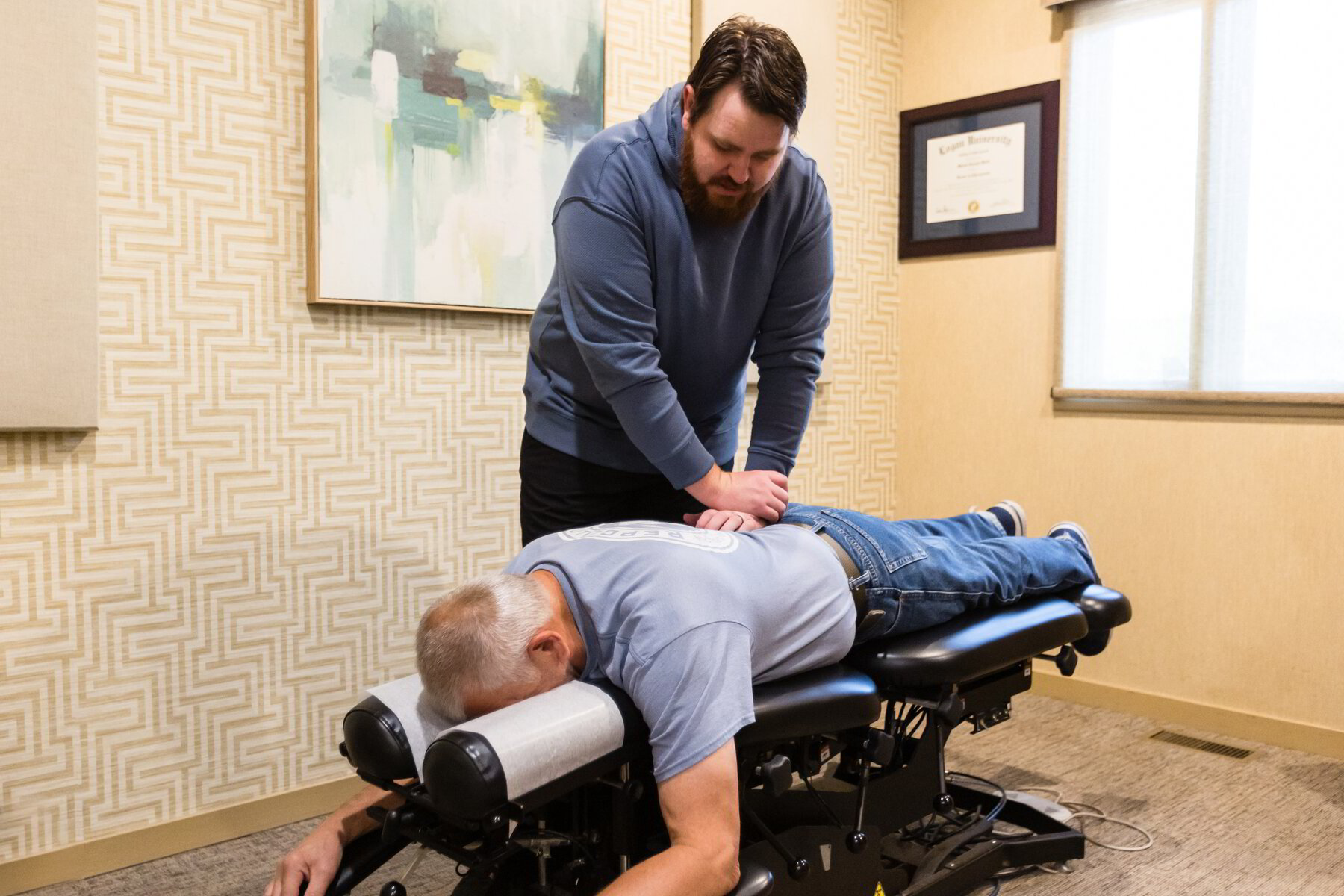
By Dr. Tonya Westerbeke, DC | Back To Health Chiropractic
Here's the uncomfortable truth: Your back pain might go away on its own—but it will almost certainly come back worse if you don't address what's actually causing it.
I know that's not the answer you wanted to hear. You're probably hoping I'll tell you to rest for a few days, pop some ibuprofen, and everything will magically resolve itself. But after nearly two decades of practice and treating thousands of patients at Back To Health Chiropractic, I've learned that hope without action is just wishful thinking—and your spine deserves better than that.
Here's what you'll learn in this article:
- The real reason most back pain keeps returning (hint: it's not what you think)
- Seven critical factors that determine whether your back pain will resolve or become chronic
- Why the "wait and see" approach is costing you more than just comfort
- Exactly what to do right now to give your body its best chance at genuine healing
- How to know when it's time to get professional help (and what type of help actually works)
Updated for 2025: Recent research from the Journal of Orthopedic & Sports Physical Therapy shows that 65% of people who experience acute back pain will have recurrent episodes within one year—but here's the game-changer: those who received early chiropractic intervention reduced their recurrence rate by 43%. That's not just pain relief; that's life transformation.
Let's cut through the confusion and get you some real answers.
1. Yes, Your Back Pain Might Go Away—But That Doesn't Mean You're Healed (Updated for 2025)
Here's what typically happens: You bend over to pick up laundry, feel a sudden twinge, and by the next morning, you can barely get out of bed. You rest for a few days, maybe take some over-the-counter pain medication, and within a week or two, the pain subsides. Problem solved, right?
Wrong.
What actually happened is that your nervous system, in its infinite wisdom, turned down the pain signal because the acute inflammation decreased. But the underlying dysfunction—the misalignment, the muscle imbalance, the compromised nerve communication—is still there, quietly festering like a crack in your foundation.
The research backs this up: A 2024 study in SPINE Journal found that 70% of patients whose acute back pain "resolved" without treatment showed persistent biomechanical dysfunction on follow-up assessment. Their pain was gone, but their movement patterns remained compromised, setting them up for the next episode.
Think of it like a check engine light in your car. You can tape over the light (mask the pain), and technically, you won't see the warning anymore. But the engine problem is still there, getting worse with every mile you drive.
Your body is incredibly adaptive and will compensate for dysfunction—until it can't anymore. That's when acute pain becomes chronic pain, and temporary discomfort becomes permanent disability.
2. The Seven Factors That Determine Your Back Pain Outcome
Not all back pain is created equal. Whether your pain resolves quickly or becomes a lifelong companion depends on several critical factors:
Factor #1: Duration and Frequency Acute back pain (lasting less than six weeks) has a much better prognosis than chronic pain (lasting more than 12 weeks). But here's the catch: every episode of "acute" pain that goes untreated increases your risk of developing chronic pain by 20-30%. The CDC's 2025 Pain Management Guidelines emphasize early intervention as the single most important predictor of long-term outcomes.
Factor #2 : What's Actually Causing the Pain Muscle strain? Disc herniation ? Facet joint dysfunction? Sacroiliac joint instability? Each has a different trajectory. Muscle strains might resolve in 2-6 weeks with proper care. Disc issues can take 3-6 months of focused treatment. But here's what matters most: identifying the root cause early means you can address it before it becomes chronic.
Factor #3: Your Movement Patterns If you're sitting at a desk for eight hours a day with rounded shoulders and a forward head position, your back pain isn't going anywhere—no matter how many pain pills you take. According to research from the International Journal of Environmental Research and Public Health (2024), poor ergonomics and sedentary behavior are the leading modifiable risk factors for persistent back pain in adults under 50.
Factor #4: Y our Nervous System Function This is where most traditional medicine misses the boat entirely. Your spine isn't just a stack of bones—it's the protective housing for your spinal cord, the information superhighway between your brain and every cell in your body. When vertebrae are misaligned (what we call subluxations), they interfere with nerve communication. This doesn't just cause pain; it affects how your entire body functions and heals.
Factor #5: Y our Body's Inflammatory Response Chronic inflammation is like leaving a fire smoldering in your tissues. Some people are genetically predisposed to higher inflammation. Others create it through lifestyle choices—processed foods, lack of sleep, chronic stress. A 2025 study in the Journal of Pain Research found that patients with elevated inflammatory markers (specifically C-reactive protein) were 3.2 times more likely to develop chronic back pain.
Factor #6: Your Previous Injury History Old injuries create scar tissue, altered movement patterns, and compensatory strategies that set you up for future problems. That ankle sprain from high school? It changed how you walk, which changed how your pelvis moves, which changed how your spine loads. Everything is connected.
Factor #7: What You Do About It Right Now This is the only factor you have complete control over—and it's the most important one. The difference between people who heal completely and people who struggle for years often comes down to whether they sought appropriate care early and committed to the process.
3. Why the "Wait and See" Approach Is Actually Making Things Worse
I get it. You're busy. You're tough. You don't want to be "that person" who runs to the doctor for every little ache. Plus, you've probably been told that most back pain resolves on its own within a few weeks.
But here's what that conventional wisdom doesn't tell you: waiting creates patterns.
Every day you move with pain, your nervous system is learning. It's creating new neural pathways that say, "This is how we move now." Your muscles are compensating, some becoming overactive and tight, others becoming inhibited and weak. Your brain is literally rewiring itself around dysfunction.
The neuroscience is clear: According to research from the Journal of Neurophysiology (2024), it takes only 7-10 days of altered movement for the brain to begin cementing new motor patterns. After six weeks, these patterns become significantly harder to reverse. After six months, they may become permanent without intensive intervention.
This is why people say things like, "My back has never been the same since that injury." It's not that the injury was so severe—it's that the compensatory patterns became the new normal.
At our Zeeland/Holland, Portage, and Muskegon locations, we see this every day. Someone comes in with "new" back pain, and when we do a thorough assessment, we find old injury patterns from years ago that were never properly addressed. The body has been compensating all this time, and now the compensation system has finally broken down.
The good news? Even long-standing patterns can be changed with the right approach. But why wait until it's harder?
4. The Chiropractic Difference: Treating Cause, Not Just Symptoms (Updated for 2025)
Here's where I need to be direct with you: most conventional approaches to back pain are fundamentally flawed because they focus on symptom management rather than correction.
Pain medication doesn't fix misalignments. Physical therapy exercises won't work optimally if your nervous system communication is compromised. Surgery should be a last resort, not a first-line treatment—and the research increasingly supports this.
The landmark 2024 study published in JAMA Network Open compared outcomes for patients with acute back pain who received early chiropractic care versus those who followed the traditional medical route of medication and physical therapy. The results were striking:
- 52% reduction in pain scores in the chiropractic group at six weeks
- 41% fewer patients progressed to chronic pain
- 67% reduction in opioid use
- 28% lower healthcare costs over the first year
This isn't about chiropractic being "better" than other approaches—it's about addressing the root cause. When vertebrae are properly aligned, nerves can communicate freely, muscles can function correctly, and the body's innate healing ability can do what it does best: heal.
Here's how we approach back pain at Back To Health Chiropractic:
Step 1: Comprehensive Assessment We don't guess; we assess. This includes detailed history, orthopedic and neurological testing, posture analysis, range of motion evaluation, and when necessary, X-rays. We need to know exactly what we're dealing with before we can create an effective care plan.
Step 2: Specific Chiropractic Adjustments Using precise, gentle techniques tailored to your specific condition, we restore proper alignment and motion to the spine. This removes interference from the nervous system and allows your body to begin healing.
Step 3: Supportive Therapies Depending on your condition, we may incorporate soft tissue work, therapeutic exercises, lifestyle modifications, and nutritional support to address inflammation and support healing.
Step 4: Prevention and Education This is where lifelong wellness begins. We teach you how to move correctly, how to maintain your adjustments, and how to prevent future episodes. We also offer specialized care for athletes through our sports chiropractic services and prenatal chiropractic for expecting mothers.
Step 5: Ongoing Wellness Care Once we've corrected the underlying dysfunction, maintenance care keeps your nervous system functioning optimally. Think of it like going to the dentist—you don't wait until you have a cavity to get your teeth cleaned.
5. Red Flags: When Back Pain Requires Immediate Attention
While most back pain is mechanical and responds beautifully to chiropractic care, there are certain warning signs that require immediate medical evaluation. Seek emergency care if you experience:
- Loss of bowel or bladder control
- Progressive leg weakness
- Numbness in the groin or genital area
- Unexplained weight loss with back pain
- Fever with back pain
- Back pain after significant trauma
- Severe pain that doesn't improve with rest
These symptoms could indicate serious conditions like cauda equina syndrome, infection, or fracture. At Back To Health Chiropractic, we always screen for these red flags and will refer appropriately when necessary. Your safety is always our first priority.
6. What You Can Do Right Now (Your Action Plan for 2025)
You don't have to suffer while you wait for an appointment. Here are evidence-based strategies you can implement today:
Immediate Relief Strategies:
- Ice for acute pain: Apply ice for 15-20 minutes every 2-3 hours during the first 48-72 hours after injury. This reduces inflammation without masking important signals.
- Gentle movement: Contrary to old advice, bed rest beyond 1-2 days actually makes back pain worse. Keep moving gently—walking is excellent.
- Proper sleep position: Sleep on your side with a pillow between your knees, or on your back with a pillow under your knees to maintain spinal alignment.
Short-Term Management:
- Anti-inflammatory nutrition: Increase omega-3 fatty acids (wild-caught fish, walnuts, flaxseed), reduce processed foods and sugar. We carry pharmaceutical-grade supplements at our clinics that can support your body's natural anti-inflammatory response.
- Gentle stretching: Focus on hip flexors, hamstrings, and piriformis. Tight hips create low back stress.
- Core activation: Not crunches—proper core activation that supports your spine. We teach specific exercises based on your individual needs.
Local Resources to Support Your Healing: If you're in the Zeeland/Holland area, check out the beautiful walking trails at Tunnel Park or Holland State Park—gentle walking in nature reduces pain perception and supports mental health during recovery. In Portage, the Celery Flats Interpretive Center offers peaceful, flat trails perfect for therapeutic walking. Muskegon residents can enjoy the stunning Pere Marquette Park beach walks or the Muskegon Lakeshore Trail for low-impact movement.
For nutrition support, we love working with patients who shop at local farmers markets for anti-inflammatory foods. The Holland Farmers Market is excellent and runs year-round on Wednesdays and Saturdays. Portage residents can visit the Portage Farmers Market at Portage Central Middle School during season. In Muskegon, the Farmers Market on Western Avenue is a fantastic resource for fresh, local produce.
7. The Long-Term Vision: Back Pain Freedom and Lifelong Wellness
Here's what most people don't realize: the goal isn't just to be pain-free. The goal is to have a nervous system that functions so well that your body can adapt to stress, heal quickly from minor injuries, and maintain optimal health well into your later years.
I've seen 75-year-old patients who move better than some 40-year-olds—not because they're lucky, but because they've prioritized nervous system health through regular chiropractic care.
I've watched expecting mothers have easier pregnancies and faster deliveries because their pelvis was properly aligned. I've seen athletes break personal records because their body could finally function without compensation patterns holding them back.
This is what's possible when you stop chasing pain relief and start pursuing true wellness.
The 2025 Wellness Paradigm Shift Healthcare is finally catching up to what chiropractors have known for over 125 years: the body has an innate ability to heal itself when the nervous system is functioning properly. The World Health Organization's 2024 Global Report on Spinal Health emphasized the importance of non-pharmaceutical, conservative care as the first-line approach for musculoskeletal conditions.
You don't have to accept back pain as your new normal. You don't have to believe that "getting older" means being in pain. You don't have to live on medication or face surgery as your only option.
There's a better way—and it starts with a single decision: to invest in your health before crisis forces your hand.
Your Next Step: Choose Healing Over Hope
So, will your back pain go away?
Maybe. For a little while. Until it comes back worse.
Or you can choose a different path—one that addresses the root cause, restores proper function, and gives you back the vibrant, active life you deserve.
At Back To Health Chiropractic, we've helped thousands of patients in Zeeland/Holland, Portage, and Muskegon do exactly that. We've seen "hopeless" cases heal. We've watched chronic pain sufferers rediscover what it feels like to move freely. We've helped athletes return to peak performance and seniors maintain their independence.
But here's the truth: we can't help you until you take the first step.
Your action items right now:
- Schedule your comprehensive evaluation: Don't wait until your back pain becomes chronic. Let's identify exactly what's causing your pain and create a personalized care plan. Click here to schedule online at our Zeeland/Holland, Portage, or Muskegon location—most patients can be seen within 24-48 hours.
- Call us directly: Prefer to talk with a real person? Call us at (616) 546-3500 (Zeeland/Holland), ( 269) 345-2273 (Portage), or (231) 830-1111 (Muskegon). Our team is here to answer your questions and get you on the path to healing.
- Download our free guide : Get our "5 Essential Stretches for Desk Workers: Your Daily Defense Against Back Pain" guide—designed specifically for 2025's work-from-home reality. This practical resource includes photos, instructions, and a daily routine you can implement immediately. Download free here (just enter your name and email).
Your back pain is trying to tell you something. The question is: are you ready to listen?
To your health and freedom from pain,
Dr. Tonya Westerbeke, DC Back To Health Chiropractic Transforming Lives Through Chiropractic Care Since 2006
Frequently Asked Questions About Back Pain
Q: How long does it typically take for back pain to go away with chiropractic care?
A: This varies based on several factors including the severity of your condition, how long you've had it, and your overall health. Acute back pain (less than six weeks old) often responds quickly—many patients experience significant relief within 1-3 weeks of starting care. Chronic conditions typically require 6-12 weeks of intensive care followed by maintenance visits. During your initial consultation, we'll give you a realistic timeline based on your specific situation. The key is consistency—patients who follow their care plan see dramatically better outcomes than those who come sporadically.
Q: Can back pain go away permanently, or will it always come back?
A: Here's the honest answer: if you address only the symptoms without correcting the underlying cause, it will likely return. However, when you correct spinal misalignments, restore proper nervous system function, and maintain your spine through regular chiropractic care, you can achieve lasting relief and prevent future episodes. Think of it like brushing your teeth—you can't brush once and expect your teeth to stay clean forever. Maintenance care keeps your spine healthy and prevents small problems from becoming big ones. Many of our long-term wellness patients haven't had a significant back pain episode in years because they're proactive about their spinal health.
Q: Is it better to see a chiropractor or a medical doctor for back pain?
A: Both have their place, and sometimes you need both. If your back pain is mechanical in nature (caused by misalignment, muscle imbalance, or nerve interference), chiropractic care addresses the root cause and has been shown in numerous studies to be more effective than medical management alone. The 2024 JAMA study I mentioned earlier demonstrated superior outcomes with chiropractic care for acute back pain. However, if you have red flag symptoms (loss of bowel/bladder control, progressive weakness, unexplained weight loss), you need immediate medical evaluation to rule out serious conditions. At Back To Health Chiropractic, we thoroughly screen all patients and refer to medical specialists when appropriate. We believe in collaborative care that puts your best interests first.
Q: What if my back pain gets worse before it gets better?
A: Occasionally, patients experience what we call a "healing response" where symptoms temporarily increase as the body adjusts to proper alignment. This is typically mild and short-lived (24-48 hours), similar to the soreness you might feel after starting a new workout routine. However, significant worsening of pain is not normal and should be reported immediately. We adjust our care approach based on how you respond. Communication is crucial—we want to hear about your experience between visits so we can optimize your care plan. Most patients report feeling better after their very first adjustment, but everyone's healing journey is unique.
Q: Can I prevent back pain from happening in the first place?
A: Absolutely! This is where regular chiropractic wellness care shines. By maintaining proper spinal alignment and optimal nervous system function, you give your body the best possible foundation for health. Add in proper ergonomics, regular movement, core strength, and anti-inflammatory nutrition, and you've got a powerful prevention strategy. Many of our wellness patients come in monthly or quarterly for maintenance adjustments—they rarely experience back pain because we're catching and correcting small misalignments before they become problems. Prevention is always easier, less expensive, and more effective than waiting for crisis. If you're currently pain-free, now is the perfect time to invest in keeping it that way.

Dr. Tonya Westerbeke
TAGS
RECENT POSTS